
Contributing Editor and Partnership Director Bek Mitchell-Kidd highlights the incredible work of DC Central Kitchen. By addressing the root causes of hunger and poverty in D.C., this nonprofit continues to transform lives through food and community.
WRITTEN BY Bek Mitchell-Kidd
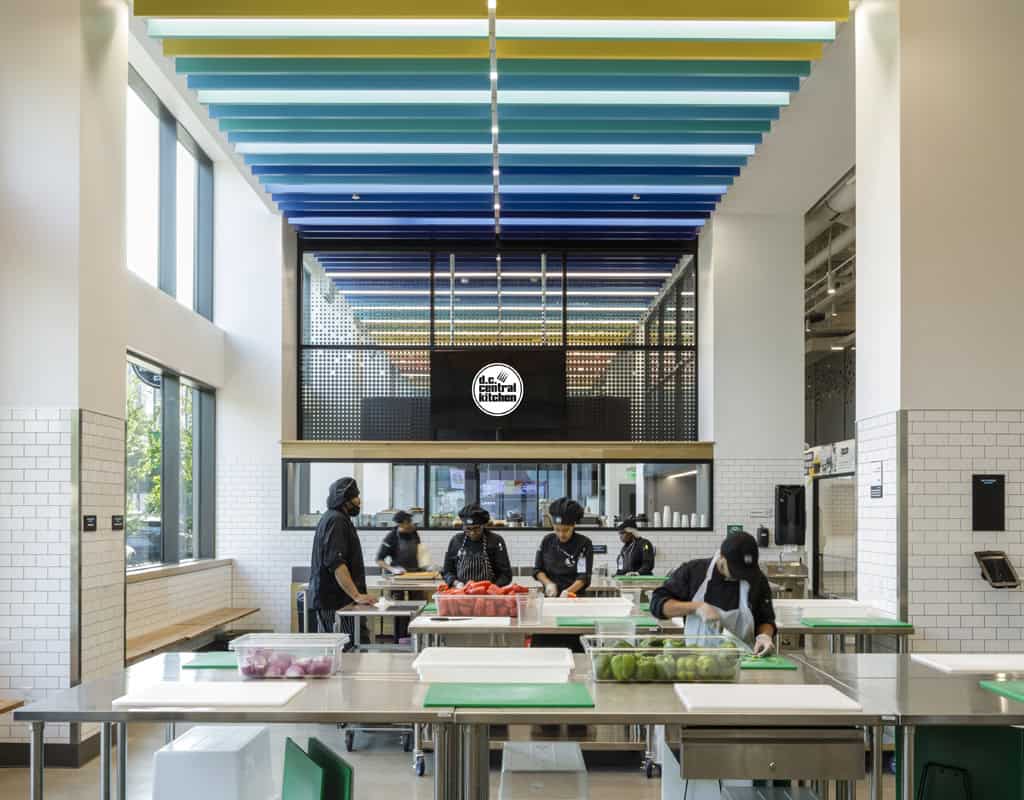
Since 1989, DC Central Kitchen (DCCK) has taken on the root causes of hunger and poverty in Washington, D.C.
Disrupting the traditional approach of food banks and soup kitchens, DCCK is an iconic nonprofit. As a well-known stop for American presidents and celebrity chefs, it known more for being a social enterprise that provides hands-on culinary job training for individuals facing high barriers to employment while creating living wage jobs and bringing nutritious food where it is most needed.
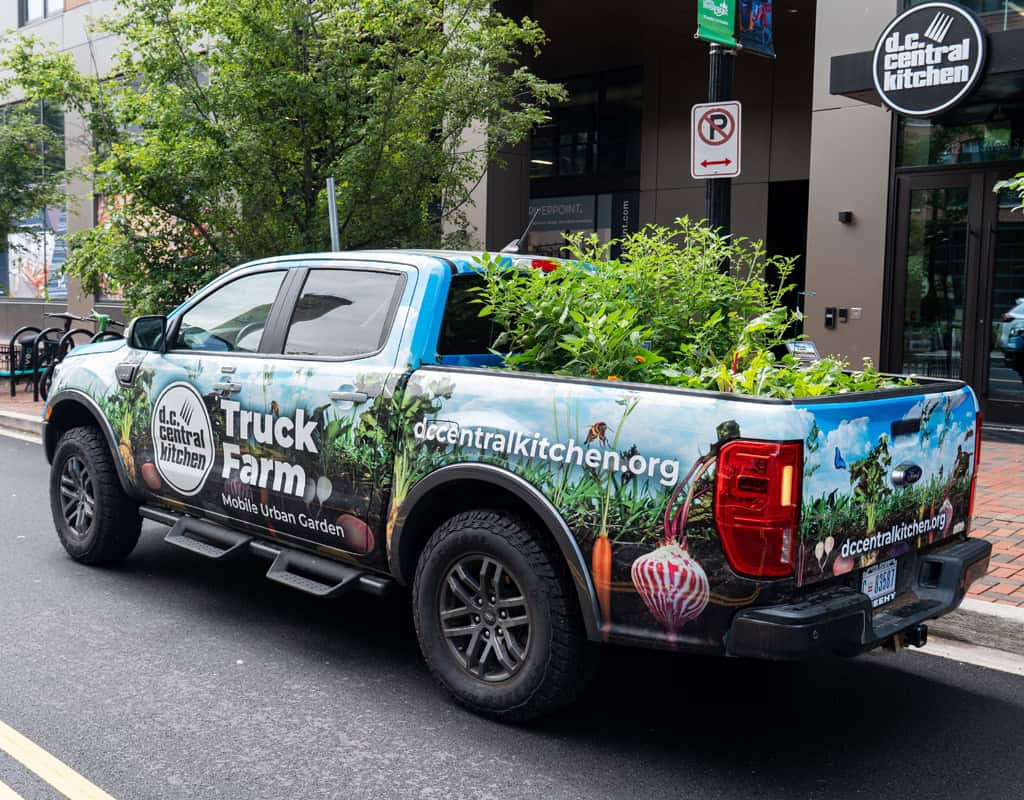
DCCK’s social ventures include serving scratch-cooked farm-to-school meals, delivering fresh, affordable produce to corner stores in neighborhoods without supermarkets and operating fast-casual cafes throughout the D.C. area.
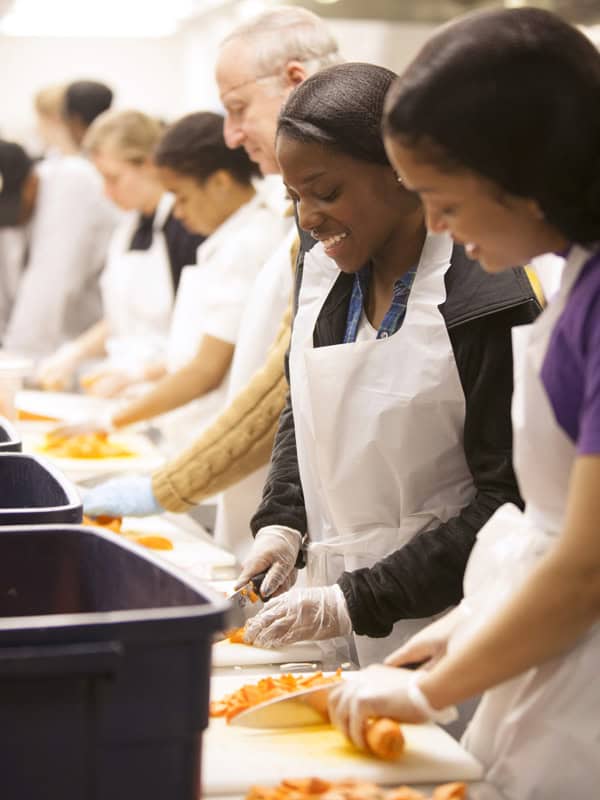
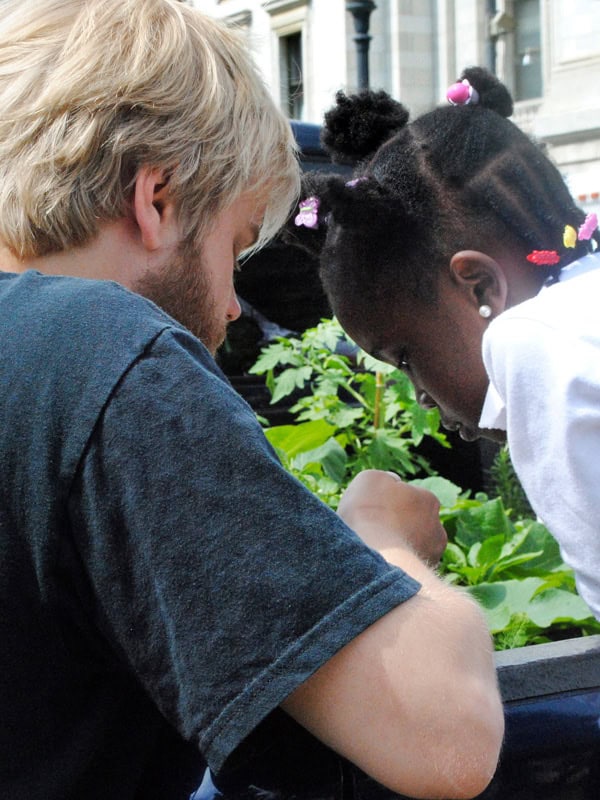
CEO Mike Curtin Jr. says, “As much as possible, we want everything we do to do at least three things: create opportunities for meaningful careers, expand access to healthy food and test innovative solutions to systemic problems. If a program or project can do all of these, that’s a tremendous success; but biting off little pieces at a time—what we term ‘relentless incrementalism’—is how we can make long-term change and break the cycle of hunger and poverty. That’s what we are after.”
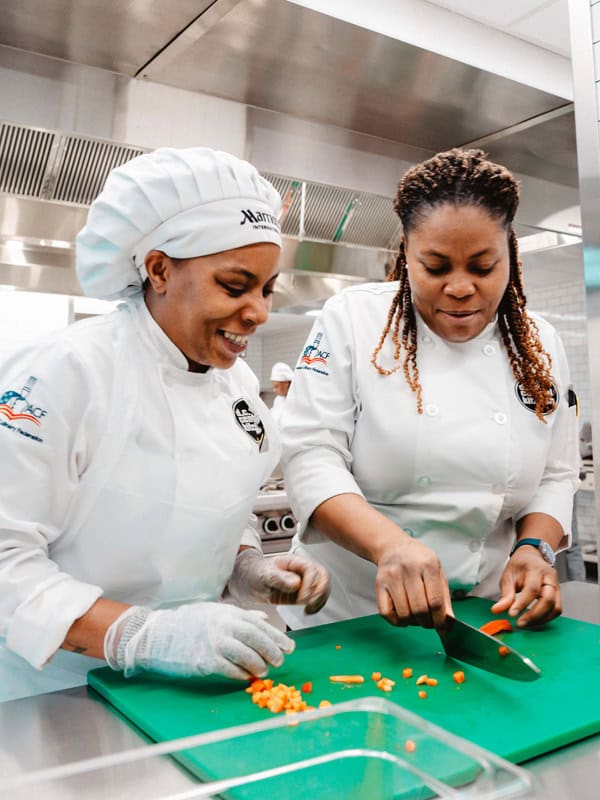
The Culinary Job Training initiative is a three-month program for adults who have faced incarceration, homelessness and addiction. The program also serves “opportunity youth”—those aged 18–24 who are not in school and not working—and equips them with knife skills, life skills and meaningful credentials.
More than 2,300 individuals have completed the program. Graduates have an 87% job placement rate, thanks to partnerships with 150 area restaurants and hotels, as well as DCCK employing graduates.
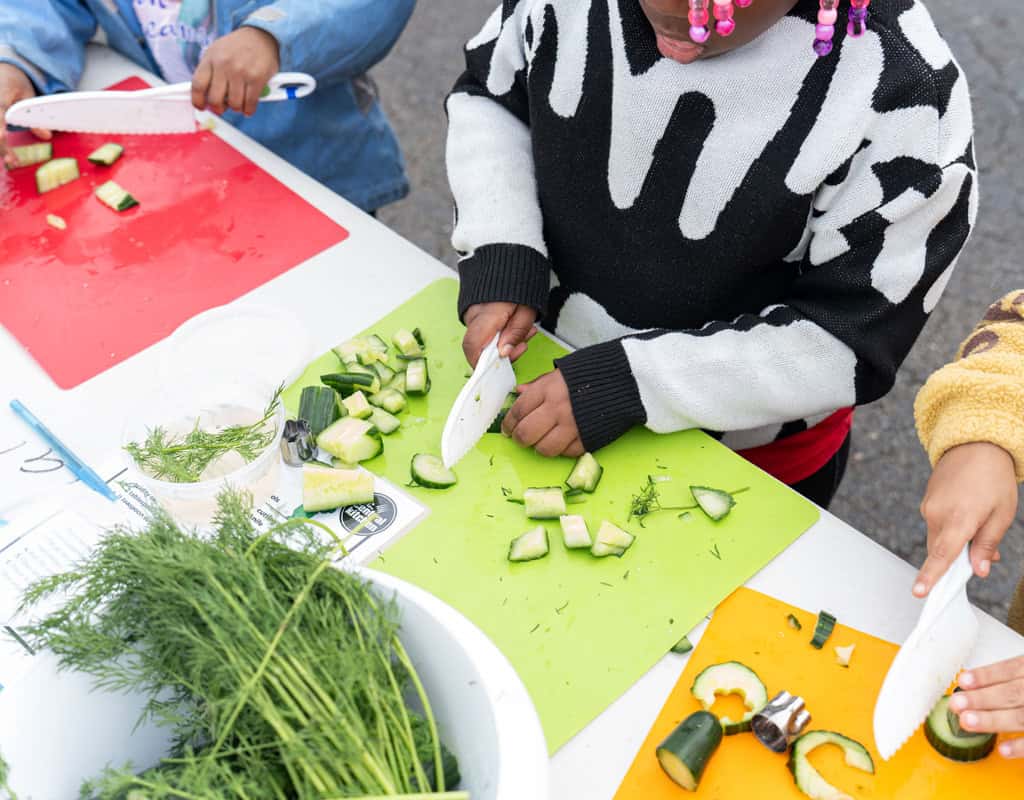
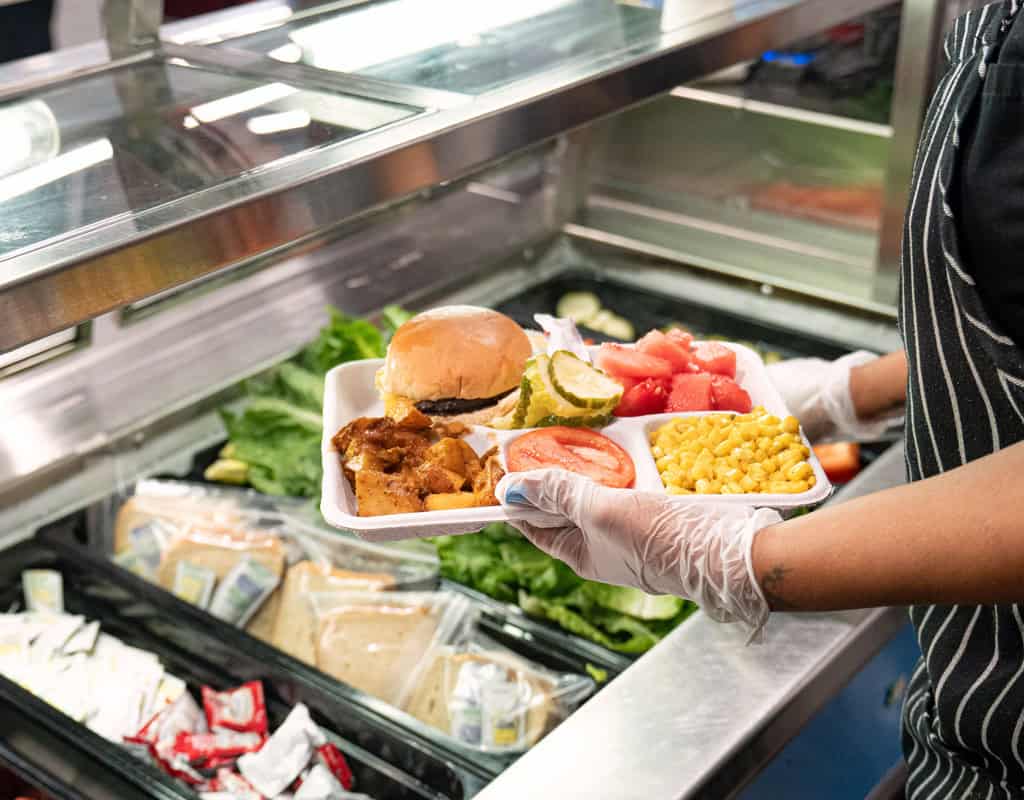
The nonprofit employs some of its culinary graduates to prep and serve meals to food-insecure children at 30 schools across D.C. through the Healthy School Food program. “We serve breakfast, lunch, supper and healthy snacks, provide nutrition education in cafeterias and classrooms, and have won the highest national awards for school nutrition innovation,” notes Melissa Gold, DCCK’s director of communications and marketing.
DCCK believes in the transformative power of a job and that everyone deserves the chance to share in the dignity of work while contributing to the community.
“The best part of my day is listening to team members, particularly graduates of our Culinary Job Training program, talk about their work and what it means to them. It never gets old and is always inspiring. Everyone has a role to play in our work, and learning what that means to each person here constantly reminds me how important what we do is and how far the ripples of empowerment and opportunity travel throughout our shared community,” says Mike.
DCCK also provides job opportunities at three social enterprise cafes and through their catering services. The first cafe was opened in 2019 at “THEARC” in Southeast D.C. “Marianne’s by DCCK” followed in 2022 on the first floor of the downtown flagship DC Public Library, and the third, within the new headquarters at the Michael R. Klein Center for Jobs and Justice, opened in 2023.
“We turn otherwise wasted food and local farm products into more than 5,000 balanced meals each day for 100 front-line nonprofits, shelters and youth programs across D.C. We’ve served more than 51 million meals and recovered well over 35 million pounds of food in our 36-year history.” —Melissa Gold
“There are a lot of really big milestones that we’ve seen throughout our 36-year history—I think the biggest flex point has been the opening of the Michael R. Klein Center for Jobs and Justice,” says Melissa. “In addition to being big, bright and a beautiful space to work in each day, the new space has allowed us to grow exponentially. Over the past two years, DCCK has increased the number of students enrolled in the Culinary Job Training program, expanded our culinary operations and is now producing up to 17,500 meals each day for schoolchildren, seniors, vets and others in our community. We have hosted over 20,000 volunteers each year and created more jobs. It’s been a game-changer!”
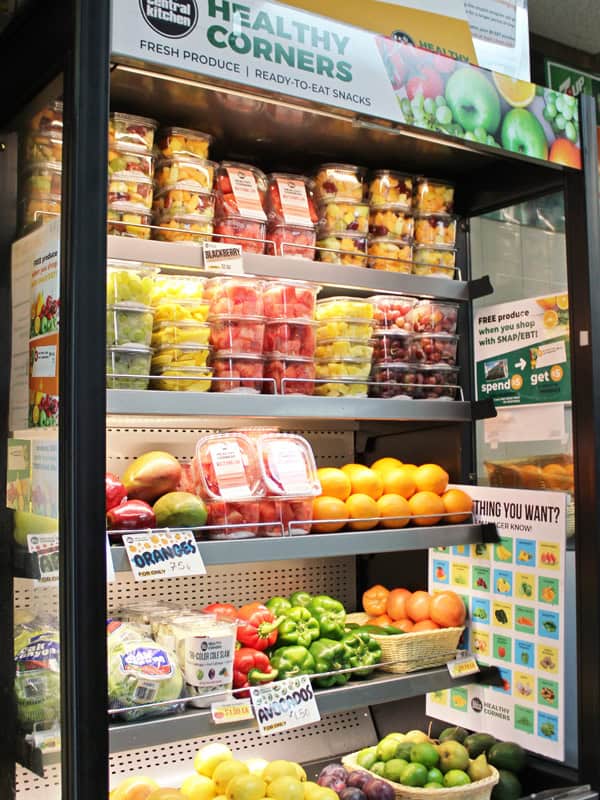
Another initiative, Healthy Corners, empowers 58 small corner stores in underserved neighborhoods to stock, sell and market healthy options. The DCCK model includes free infrastructure, technical assistance and innovative partnerships that have made WIC benefits and SNAP produce incentives available at DC corner stores for the first time.
Melissa loves coming in through the front door in the morning, saying, “I have to walk down a very long hall to get to the stairs leading to my office, so I get to say hello to a lot of amazing humans between the front door and that first step. It’s always a pick-me-up and a great reminder of how many lives are connected through our work!”
Help fight hunger with your donation or find out about the many ways to get involved at the DC Central Kitchen website.
READ MORE ABOUT DCCK
Begging for Change: The Dollars and Sense of Making Nonprofits Responsive, Efficient, and Rewarding for All by Robert Egger
The Food Fighters: A History of DC Central Kitchen by Alexander Justice Moore